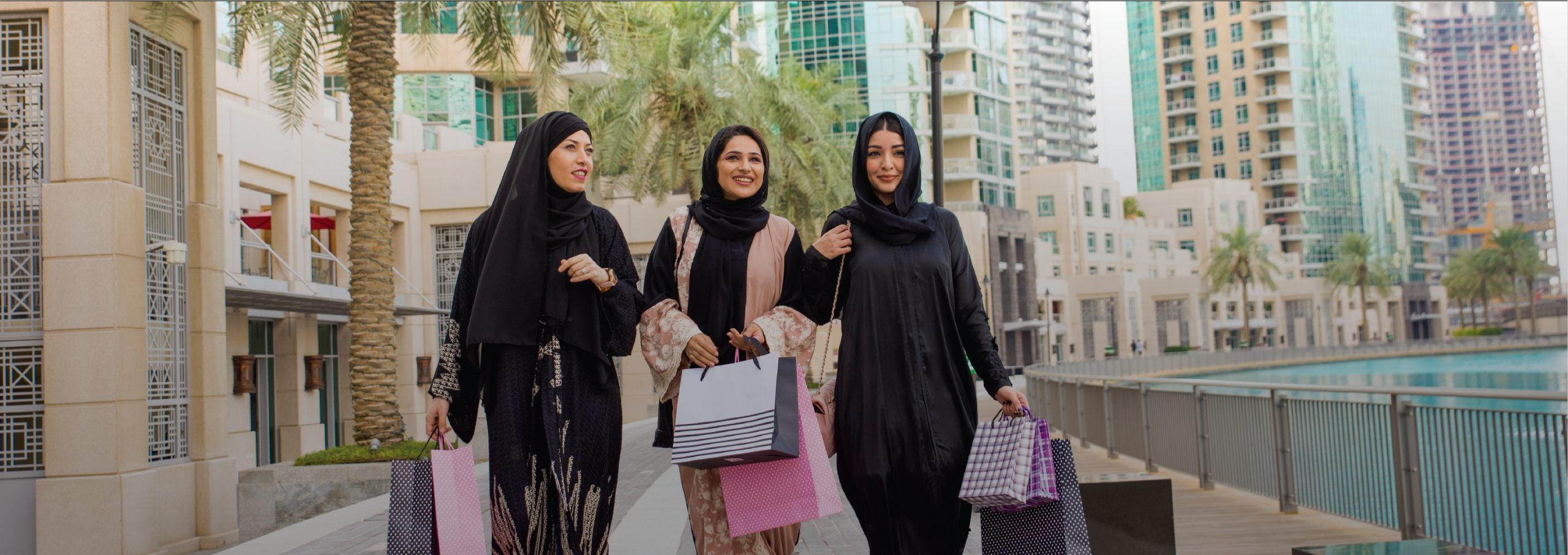
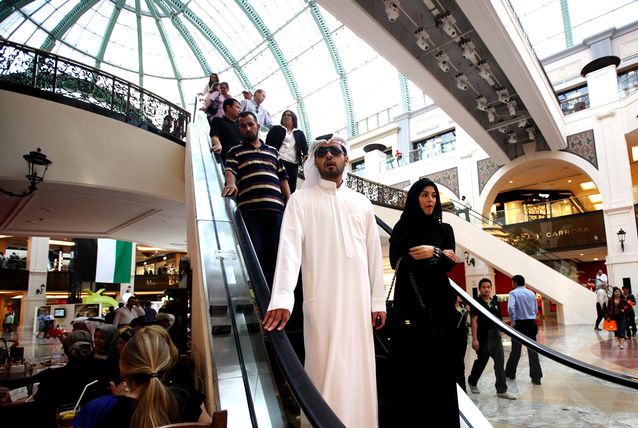
The symbiotic relationship between the retail sector’s growth in the Gulf Cooperation Council (GCC) region and its thriving tourism industry is profoundly evident. A study conducted in 2010 by the Department of Tourism and Commerce Marketing, Dubai (DTCM), shed light on this connection, revealing that a staggering 80% of tourists cited shopping as their primary motivation for visiting the region.
This statistic underscores the crucial role that tourism plays in driving the retail sector’s expansion in the GCC. The region’s status as a shopping destination of global renown is a key factor attracting tourists from around the world. The allure of luxury brands, tax-free shopping, and world-class shopping experiences has positioned the GCC as a top choice for travelers seeking unparalleled retail offerings.
Moreover, the GCC’s strategic geographical location, at the crossroads of Asia, Europe, and Africa, further enhances its appeal as a shopping hub. Tourists are not only drawn by the vast array of retail options but also by the unique cultural experiences and attractions that the region has to offer.
As such, the GCC’s retail sector continues to evolve and innovate to meet the demands of this lucrative tourist market. Retailers are constantly striving to enhance their offerings, from luxury boutiques to sprawling shopping malls, to provide an unmatched shopping experience that keeps tourists coming back year after year.
The surge of shoppers in Dubai propelled the city to expand its retail presence more than any other GCC nation between 2005 and 2014, attracting numerous global brands. By 2010, Dubai had a higher concentration of international retailers than any other city, with London being the sole exception, as reported by CB Richard Ellis in 2010. Therefore, it comes as no surprise that Dubai’s mega malls welcomed over 150 million visitors in 2010 alone, including both UAE residents and international tourists.
By 2014, the emergence of numerous mega malls led to perceptions of Dubai as an ‘over-malled city’. Yet, the intriguing aspect lies in the retail sector’s connections with tourism. Dating back to 1995, the city drew tourist numbers more than double its resident population. This ratio in 2014 had expanded nearly threefold, showing Dubai attracting six times the number of its residents annually, underscoring its status as a retail powerhouse.
This trend was observed across other GCC countries as well. Tourists predominantly flocked to the region for its shopping offerings, solidifying its position as the shopping hub of the MENA region. The retail sector emerged as the most significant contributor to the region’s non-oil GDP. Retail is ingrained in the identity of the GCC, with the sector greatly benefiting from the continuous influx of visitors and tourists, especially during the winter and holiday seasons.
The region’s transition from traditional souk-centric commerce to a culture of mega malls is a story of urban population growth, a magnetic attraction for international shoppers, and forward-thinking government policies. These factors converged to redefine retail as not merely a sector but as a cornerstone of the region’s identity and economic diversification.
In conclusion, GCC region’s malls are more than retail hubs; they are engines of economic growth. The role of mega malls in the economic growth of the region is multifaceted, impacting various economic sectors in ways such as: